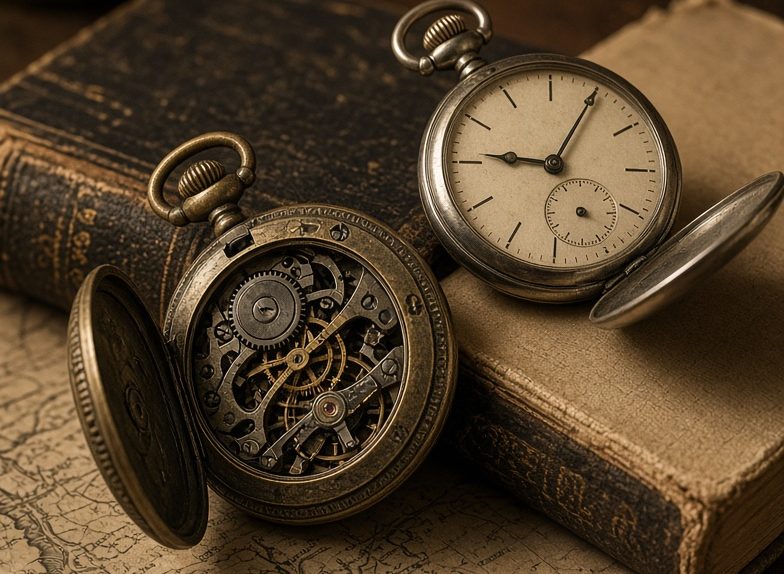
The history of mechanical watches and why they are still popular today

Posted on

Mechanical watches have a long and rich history dating back to the 15th century, when the first spring-driven clocks were invented. These early clocks were large and expensive, only found in wealthy households and public buildings. As technology improved and production methods became more efficient, mechanical watches became more affordable and accessible to the general public.

Mechanical watches are powered by a spring-driven movement, with the energy generated by winding the watch transmitting through a series of gears and wheels to power the timekeeping functions. These watches require regular winding to keep them running, and are known for their precision and reliability.

Despite the widespread use of quartz watches in the modern era, mechanical watches remain popular for a number of reasons. Firstly, they are considered a work of art and a symbol of craftsmanship. Each mechanical watch is a unique, hand-assembled piece with intricate internal mechanisms that can be viewed through the transparent caseback.

Secondly, mechanical watches have a timeless appeal and are often passed down through generations as heirlooms. They are also considered a symbol of status and wealth, with many high-end brands commanding steep prices for their luxury mechanical timepieces.

Overall, mechanical watches continue to be popular due to their history, craftsmanship, and enduring appeal. They are a timeless piece that will never go out of style.

The portable spring-driven watch is older than the railroad and older than the wrist. What changed in the nineteenth century, especially in New England and the Midwest, was making that machine by the thousand with interchangeable parts. That is why a Waltham or Elgin from 1900 can still be serviced: the pieces were meant to be replaced, not carved as a one-off mystery.

People keep buying them because the object does something a phone does not. You wind it. You hear it. You can open the cap and see why it works. A well-made movement will outlast the first owner if it is cleaned and oiled on a human schedule. That combination — machine, habit, and heirloom — is the whole pitch. It is also why a dead watch in a drawer is not “finished.” It is waiting for a decision: service, sell, or leave it as a silent object.


Have a pocket watch that needs attention? The Good Old Times offers
free, no-fee service estimates (no charge if you decide not to proceed), local drop-off in
Mississauga by appointment, and Canada-wide service by mail — every repair backed by a
3-month warranty. Get a free estimate →

Also browse: fully serviced watches for sale ·
pocket watch guides (Collector’s Corner).