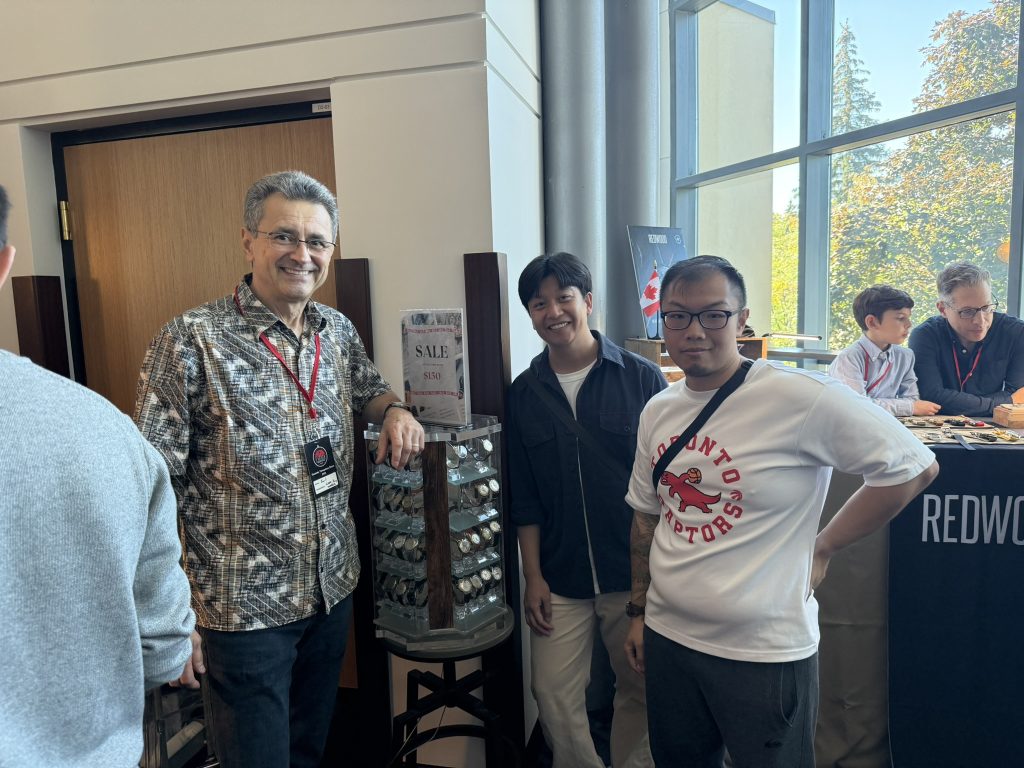
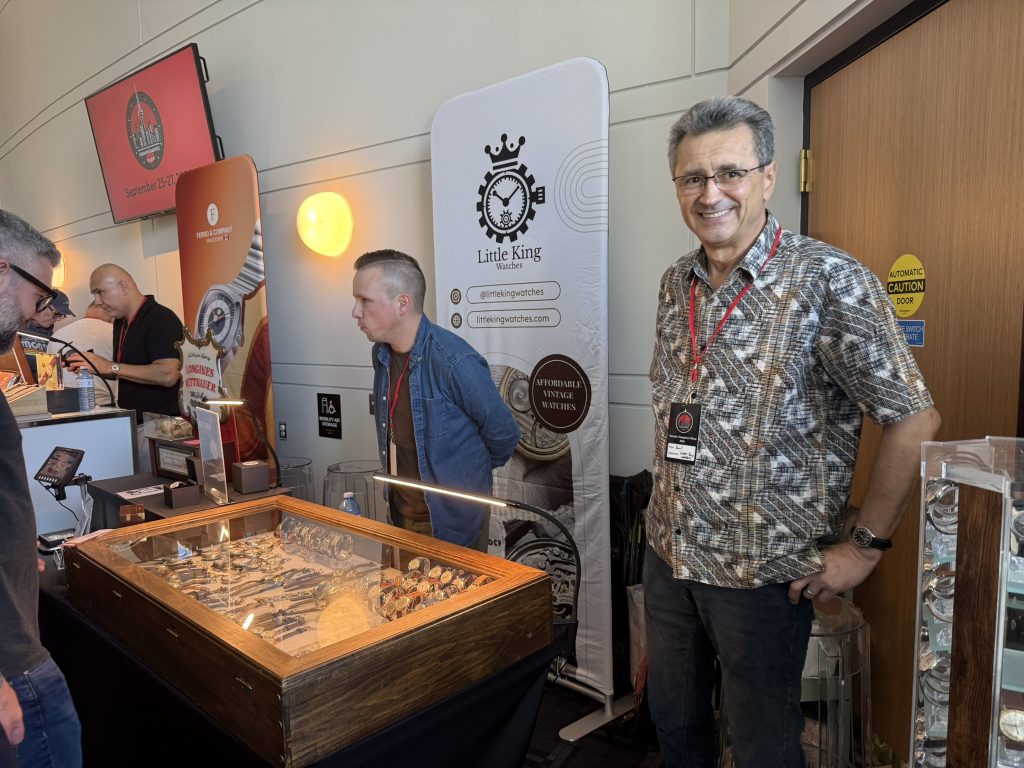
Welcome to the Good Old Times! I am a watchmaker based in Mississauga, ON Canada (Toronto/GTA area), offering sales, cleaning, repairs and reconditioning services for mechanical pocket and wristwatches. I also perform quartz work: battery changes, cleaning and repair.
I also provide detailed evaluation reports for antique and vintage pocket and wristwatches — single pieces or entire collections — along with advice on the best ways to sell them.
On this website, you will find a selection of watches that I have personally purchased and reconditioned for sale.
I offer local drop-off/pick-up by appointment only, and Canada-wide service via mail. All repairs come with a 3-month warranty, and estimates are free.
Make sure you take a look at the Blog to find out wristwatch and pocket watch winding tips, maintenance recommendations, and more!
Thank you for visiting and I hope you find something you love!

Embracing Vintage Charm: The Timeless Appeal of Classic Timepieces
There is a magnetic pull that draws collectors, historians, and everyday enthusiasts toward the world of vintage watches. It is more than a fascination with old machinery; it is an appreciation for craftsmanship, history, and a style that never fades. In an age of disposable technology, a well‑preserved pocket or wristwatch becomes a bridge between generations, a conversation starter, and a personal statement of refined taste.
Why Vintage Watches Remain Relevant Today
While modern smartwatches boast connectivity and endless features, vintage watches offer qualities that cannot be replicated by digital devices:
- Mechanical artistry – Each gear, spring, and jewel is meticulously hand‑finished, reflecting the skill of watchmakers from bygone eras.
- Historical narrative – A watch can tell the story of a specific period, a brand’s evolution, or even the life of its previous owner.
- Unique aesthetics – From Art Deco dials to Victorian enamel work, vintage designs provide visual intrigue that modern mass‑produced pieces often lack.
- Longevity – Properly maintained mechanical watches can function for decades, even centuries, becoming heirlooms passed down through families.
- Sustainable luxury – Reconditioning and restoring an existing piece reduces waste and honors the principle of “buy less, choose well.”
The Role of a Modern Watchmaker in Preserving Heritage
In Mississauga, ON, and the broader Toronto/GTA area, the art of watchmaking continues to thrive thanks to dedicated professionals who blend traditional techniques with contemporary service standards. As a local watchmaker, I provide a full spectrum of services that cater to both the seasoned collector and the curious newcomer:
- Sales of curated vintage pieces – Each watch on offer has been personally selected, purchased, and reconditioned to ensure authenticity and optimal performance.
- Mechanical cleaning and repairs – From disassembly and oiling to part replacement, every step follows the highest horological standards.
- Quartz maintenance – Battery changes, circuit cleaning, and repair of quartz movements keep modern timepieces running smoothly.
- Detailed evaluation reports – Whether you own a single heirloom or an entire collection, I provide comprehensive documentation, market valuation, and strategic advice for selling.
- Three‑month warranty – All repairs are backed by a warranty that gives clients confidence in the durability of the work performed.
- Free estimates – Transparent pricing begins with a no‑obligation assessment.
Understanding Vintage Style: Key Elements That Define Timeless Elegance
When you look at a vintage watch, several design components instantly signal its era and character. Recognizing these elements helps you appreciate the watch’s intrinsic value and guides you in selecting pieces that match your personal style.
Dial Design and Typography
The dial is the face of a watch’s personality. Classic features include:
- Roman numerals – Popular in the early 20th century, they convey a formal, aristocratic vibe.
- Art Deco indices – Geometric shapes and bold lines reflect the 1920s–1930s optimism.
- Enamel and guilloché patterns – Hand‑crafted textures that add depth and a tactile quality.
- Patina – A subtle greenish or brownish hue that develops over time, often prized for its authenticity.
Case Materials and Finishes
Materials tell a story of both technological advancement and fashion trends:
- Polished stainless steel – Introduced in the 1920s, it offered durability and a sleek look.
- Gold (yellow, rose, or white) – Symbolic of luxury, often reserved for dress watches.
- Bronze and copper – Develop a unique patina that many collectors seek.
- Leather straps – Hand‑stitched calfskin or exotic leathers complement the vintage aesthetic.
Movement Types and Their Significance
Understanding the inner workings of a watch deepens appreciation for its craftsmanship:
- Manual‑wind mechanical – Requires regular winding, fostering a ritualistic connection between wearer and timepiece.
- Automatic (self‑winding) mechanical – Harnesses the wearer’s motion, offering convenience while retaining mechanical purity.
- Quartz – Though not “vintage” in the traditional sense, early quartz models (1970s–1980s) represent a pivotal shift in horology.
How to Choose a Vintage Watch That Complements Your Lifestyle
Selecting a watch is a personal journey. Below are practical guidelines to help you make an informed decision that aligns with both your aesthetic preferences and functional needs.
Define Your Primary Use
- Everyday wear – Look for robust cases, reliable automatic movements, and comfortable straps.
- Formal occasions – Opt for dress watches with slim profiles, polished gold or silver cases, and elegant dials.
- Collectible investment – Focus on rarity, brand reputation, and provenance; condition and documentation become critical.
Assess Condition and Service History
A watch that has been regularly serviced will run more accurately and require fewer immediate repairs. When purchasing, request:
- Recent service records.
- Original box and papers (if available).
- A detailed evaluation report outlining any wear, replaced parts, or needed future maintenance.
Consider Authenticity and Provenance
Authenticity is paramount in the vintage market. Look for:
- Original serial numbers matching brand archives.
- Consistent branding on the dial, case back, and movement.
- Documentation of previous ownership, especially for high‑value pieces.
Maintaining Your Vintage Timepiece: Tips From a Professional Watchmaker
Proper care extends the life of a vintage watch and preserves its value. Below are essential maintenance practices, many of which are featured regularly on my blog.
Regular Winding and Wear
- Manual‑wind watches – Wind at the same time each day, preferably in the morning, to establish a routine and avoid overwinding.
- Automatic watches – Wear regularly or use a watch winder to keep the movement lubricated.
Cleaning the Case and Bracelet
Gentle cleaning prevents corrosion and keeps the watch looking its best:
- Use a soft, lint‑free cloth for daily polishing.
- For deeper cleaning, soak the case (excluding the movement) in warm, soapy water for a few minutes, then rinse and dry thoroughly.
- Leather straps should be conditioned with a leather‑specific cream every few months.
Professional Servicing Intervals
Even with careful home care, mechanical watches benefit from professional servicing every 3–5 years. A typical service includes:
- Disassembly and thorough cleaning of all components.
- Replacement of worn or degraded parts (e.g., gaskets, oils).
- Regulation and timing adjustments to ensure accuracy.
- Polishing of the case (optional, based on owner preference).
Handling Repairs and Reconditioning
When a watch requires repair, trust a qualified watchmaker who respects the original design. My approach includes:
- Diagnosing the issue with precision tools.
- Using OEM or high‑quality compatible parts.
- Documenting every step in a detailed service report.
- Providing a three‑month warranty for peace of mind.